
Gili Trawangan, Indonesia — The environment in which professional dive training takes place can play an important role in how candidates experience intensive instructor education. For experienced divers progressing toward professional teaching, a focused island setting can provide an environment where diving, education and professional development remain closely connected.
The gili islands idc training environment in Gili Trawangan provides candidates with access to an established diving location while undertaking the academic and practical requirements associated with instructor development.
Rather than focusing only on the destination itself, the value of an island training environment can be considered through factors such as concentration, access to diving .
activities, practical teaching opportunities and reduced distractions from the learning process.
A Focused Environment for Professional Education
Instructor Development Courses require candidates to work through substantial academic and practical material within a structured training period.
For professional divers already familiar with the diving industry, moving into instructor education involves developing a different set of skills. Candidates must learn how to communicate diving knowledge, conduct teaching presentations, evaluate student performance and apply training standards appropriately.
A small island environment can create a more concentrated setting for this type of professional development. With diving and dive-centre activities forming a significant part of the local environment, candidates can remain closely connected to the practical side of the industry while completing their training.
Learning Beyond the Classroom
Instructor preparation is not limited to theoretical study.
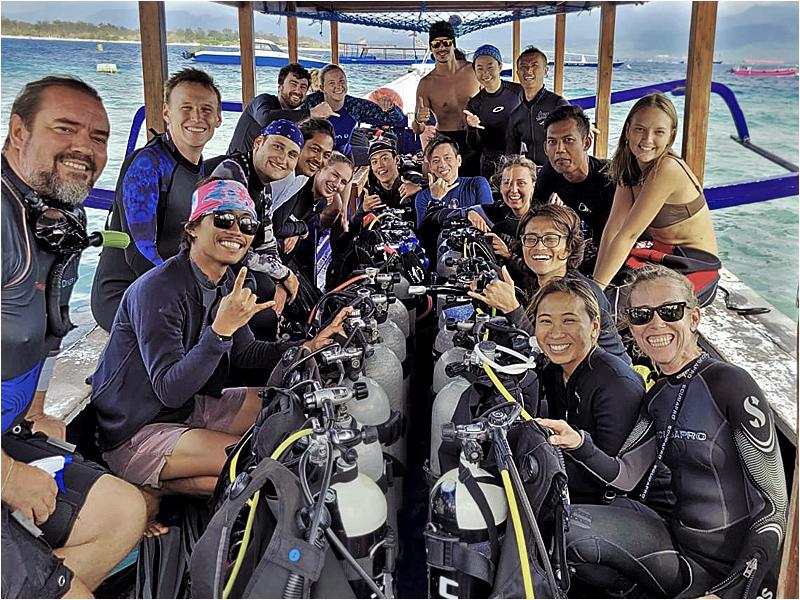
Professional candidates need to understand how teaching principles apply to real diving situations. This includes communicating effectively with students, identifying potential difficulties, managing different learning needs and responding appropriately when conditions change.
The Gili Islands provide a setting where candidates undertaking the gili islands idc can combine formal instructor education with an established diving environment.
This connection between professional education and practical diving experience is particularly relevant for candidates who already hold Divemaster-level qualifications and are preparing to take on greater teaching responsibilities.
Reducing Distractions During Intensive Training
An intensive instructor programme requires sustained attention over an extended period. Academic preparation, presentations, practical teaching and examination preparation can all form part of the candidate's development.
For some professionals, an island environment offers a simpler daily setting in which to concentrate on these responsibilities.
The objective is not simply to provide a change of scenery. A focused training environment can help candidates dedicate more time to learning, preparing presentations, reviewing course material and developing practical teaching skills.
Gili Trawangan's established diving infrastructure also places professional dive education within an active dive-industry environment.
An Established Professional Diving Environment
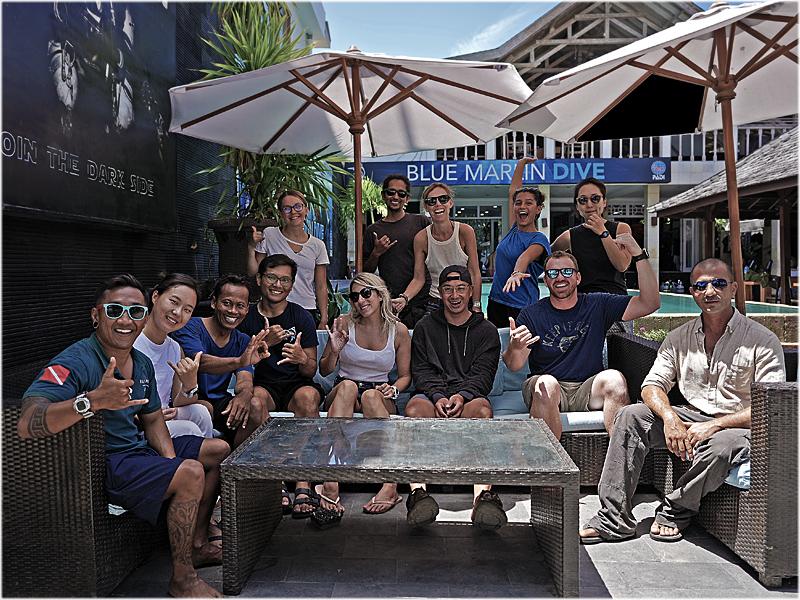
All instructor-level training associated with the programme takes place at Blue Marlin Dive Gili Trawangan, which has operated for more than 30 years.
The centre is described as the first established PADI Dive Centre and PADI IDC Centre in Gili Trawangan. Its long-standing presence provides the setting for instructor-level education alongside other professional and recreational diving activities.
The training programme is led by Holly Macleod, a Multiple Industry Award Winning Platinum PADI Course Director with more than 23 years of diving industry experience.
Macleod's professional experience includes destinations such as Honduras, Thailand, Australia, the United Kingdom, Malaysia, the Philippines, Indonesia and Singapore. Approximately 3,500 PADI Instructor certifications have been associated with training in the Gili Islands, and Platinum PADI status has been maintained for 13 consecutive years.
Creating Space for Concentrated Learning
A small-island training environment can also encourage candidates to spend more time engaging with the course and with other professionals involved in diving.
Instructor development is partly about acquiring knowledge, but it also involves developing confidence in communicating that knowledge. Candidates practise presenting information, explaining diving concepts, demonstrating skills and providing feedback.
These activities benefit from an environment where professional training remains the central focus.
The teaching methods used by Holly Macleod extend beyond the standard PADI IDC curriculum by incorporating real-life industry experience and problem-solving techniques. This includes consideration of situations that newly qualified instructors may encounter when working in the diving industry.
From Diver to Educator
The transition into instructor-level training represents a change in professional responsibility.
A Divemaster may already have substantial diving experience, but instructor education requires an additional focus on teaching methodology and student development.
Candidates must learn to view diving activities from the perspective of the student as well as the professional. This means understanding how to explain skills clearly, recognise difficulties and adapt communication when a student requires additional support.
An environment closely connected to daily diving operations can provide useful context for developing these professional teaching skills.
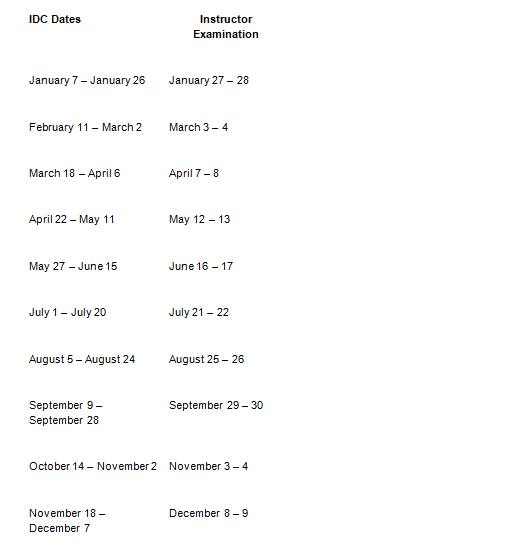
2026 PADI Instructor Development Course Dates
The 2026 IDC and Instructor Examination schedule includes:
A Different Approach to Professional Learning
The continued use of island locations for professional dive education reflects the practical relationship between the training environment and the subject being taught.
For candidates undertaking the gili islands idc, Gili Trawangan provides an established diving setting in which academic preparation and practical professional development can take place within the same environment.
The wider professional training programme includes the PADI Divemaster Course, Emergency First Response Course, PADI Instructor Development Course, PADI Instructor Crossover Course, PADI Specialty Instructor Course, PADI Master Scuba Diver Trainer (MSDT), PADI IDC Staff Instructor Course, and preparation programmes for Course Director and Master Instructor levels.
Media Contact
Contact Name: Holly Macleod
Website: https://www.giliidc.com
Email: holly@giliidc.com